
Crime and Punishment
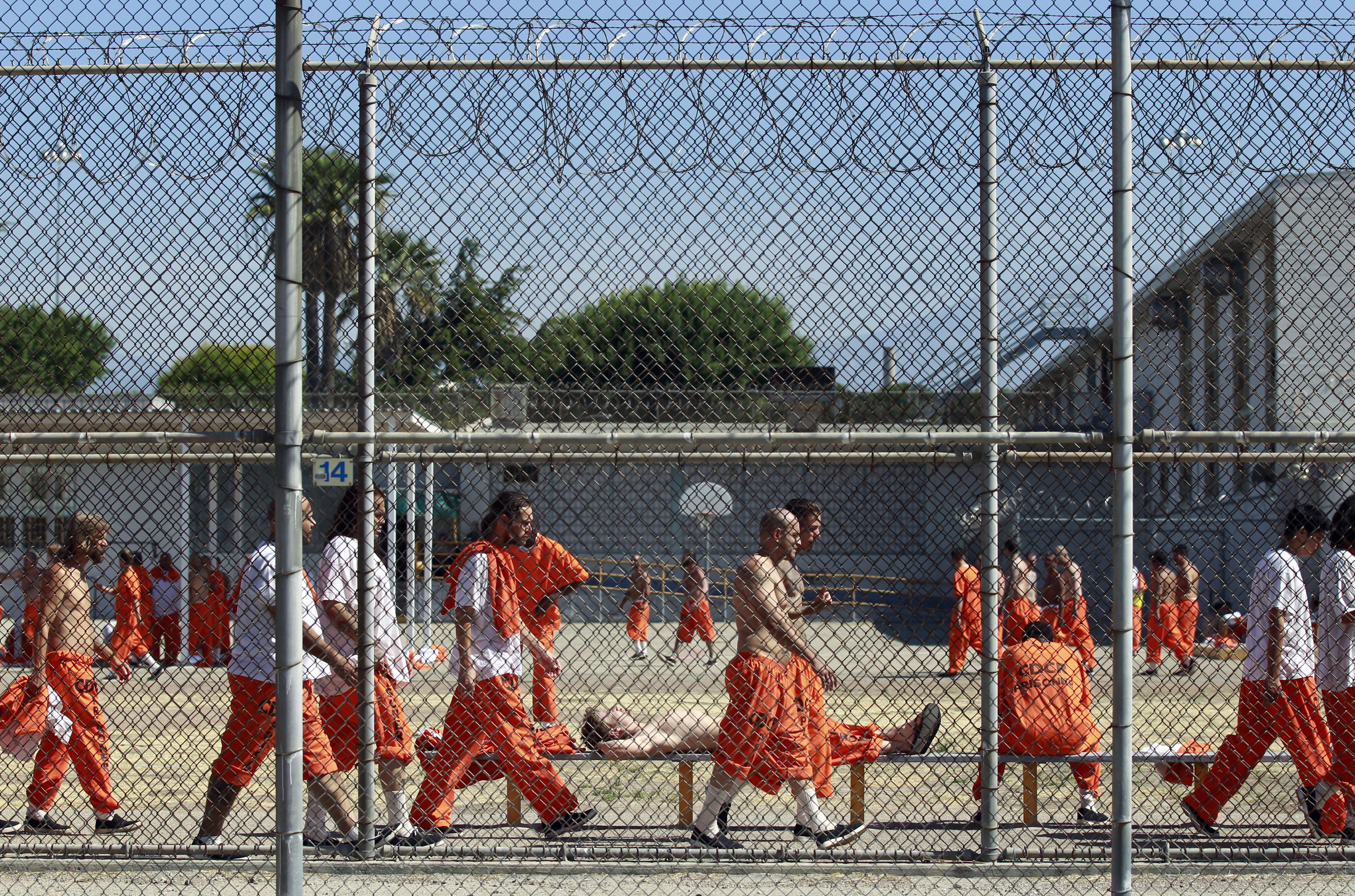
The study of crime and punishment has become increasingly central to our understanding of how society works. Crime varies widely across time and place, for example, and is deeply intertwined with multiple forms of social stratification. Societal reactions to crime in the form of mass incarceration have in turn been linked to increasing racial and economic inequality. This research cluster draws together faculty in sociology and across the university to address these and other fundamental questions about crime and its control. The Program in Criminal Justice at the Kennedy School is a key institutional hub for intellectual dialogue.
News related to Crime & Punishment
From prison to PhD student, Johnny Smith's path to Harvard highlighted in GSAS Bulletin
Surviving San Quentin: Johnny Smith studies the impact that higher education can have on formerly incarcerated people like him, so that others can hold onto their freedom and lead full, productive lives.

Jocelyn Viterna's research featured in CNN Report
Professor Jocelyn Viterna's research on the chilling effects of the ciminalization of abortion in El Salvador is featured on CNN health.

Related Publications
Winship, C., & O’Brien, D. (2016). The Gains of Greater Granularity: The Presence and Persistence of Problem Properties in Urban Neighborhoods. Journal of Quantitative Criminology, 33(3), 649-674.
Winship, C., & O’Brien, D. (2016). The Gains of Greater Granularity: The Presence and Persistence of Problem Properties in Urban Neighborhoods. Journal of Quantitative Criminology, 33(3), 649-674.
Sampson, R. J., & Laub, J. H. (1995). Crime in the Making: Pathways and Turning Points through Life. Harvard University Press.
Sampson, R. J., & Laub, J. H. (1995). Crime in the Making: Pathways and Turning Points through Life. Harvard University Press.